


Nourish Your Soul: Ayurvedic Food Patterns for Holistic Health
Discover Ayurvedic nutrition principles for holistic wellness. Learn about doshas, mindful eating, and how ancient wisdom meets modern health practices for balanced living.
Read more →Ayurveda, TCM, acupuncture — WHO-recognized traditional medicine systems explained by certified practitioners.
6 articles
Discover Ayurvedic nutrition principles for holistic wellness. Learn about doshas, mindful eating, and how ancient wisdom meets modern health practices for balanced living.
Read more →
Explore Panchakarma, the Ayurvedic detox that restores balance, cleanses toxins, and rejuvenates mind & body. Learn its benefits & process today!
Read more →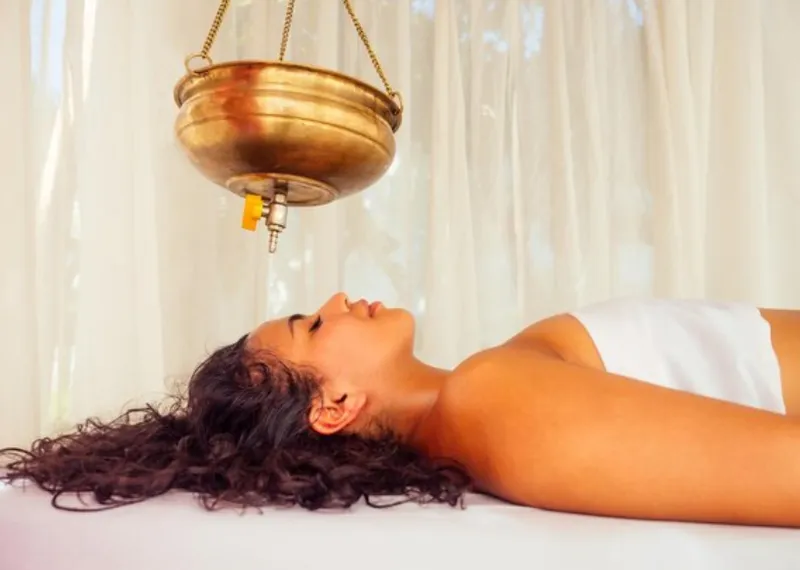
Discover the ancient Ayurvedic practice of Shirodhara. Warm oil poured on the forehead for deep relaxation, mental clarity, and stress relief.
Read more →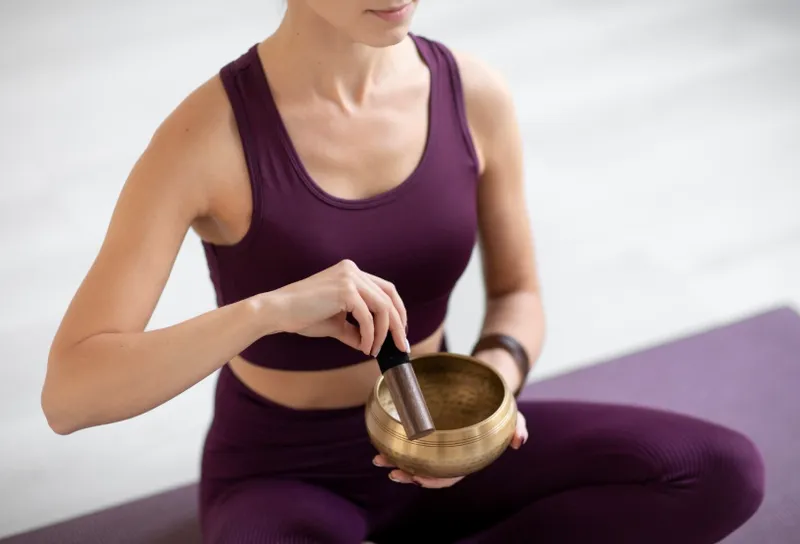
The combined benefits of Ayurveda and Yoga for mind, body, and spirit. Learn how these sister sciences promote balance and well-being.
Read more →
Discover expert strategies for managing intense grief within therapeutic relationships. Explore techniques to process layered emotions and foster healing.
Read more →Ayurveda, born in India 5,000 years ago, is based on balancing the three doshas (Vata, Pitta, Kapha) and offers personalized treatments including diet, herbs, yoga and purification (Panchakarma). TCM, originating from China, works on energy flow (Qi) through meridians via acupuncture, Chinese herbal medicine and Qi Gong. Both are WHO-recognized.
Yes. The WHO officially recognizes Traditional Chinese Medicine, Ayurveda and other traditional systems. While these practices are not regulated like conventional medicine in most Western countries, they can complement standard healthcare. Always consult your primary care physician alongside traditional medicine practitioners.
Ayurveda identifies your constitution — Vata (air), Pitta (fire) or Kapha (earth) — to adapt diet, routine and care. Panchakarma purifies the body, Shirodhara calms the mind. On VHealthy, our Ayurvedic practitioners are rigorously vetted and their qualifications verified.
Check their training (accredited school, certification), experience and specialty. A good practitioner will never ask you to stop medical treatment. They should ask detailed questions about your health history and current treatments.